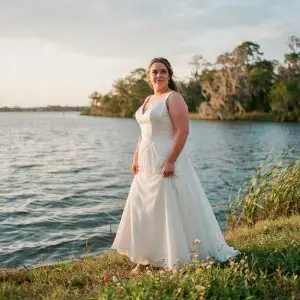
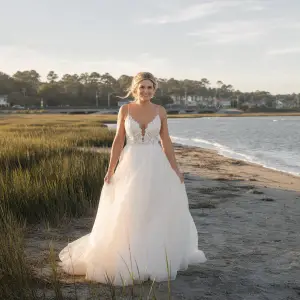
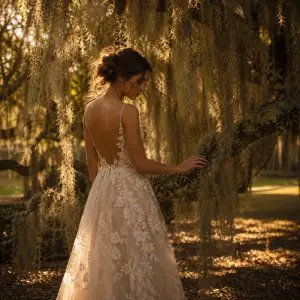
The South Carolina Lowcountry is one of America’s most beloved destination wedding locations, drawing couples from across the country who want to marry against backdrops of Spanish moss, pristine beaches, and Southern charm. Whether you’re a bride traveling to Pawleys Island for your wedding, or a local Lowcountry bride planning a destination celebration elsewhere, understanding how to choose, prepare, pack, and care for a destination wedding dress requires different considerations than traditional hometown weddings. At The Dressing Room on Ocean Highway, we help brides navigate the unique aspects of destination wedding dress shopping to ensure your gown arrives safely and looks perfect for your celebration.
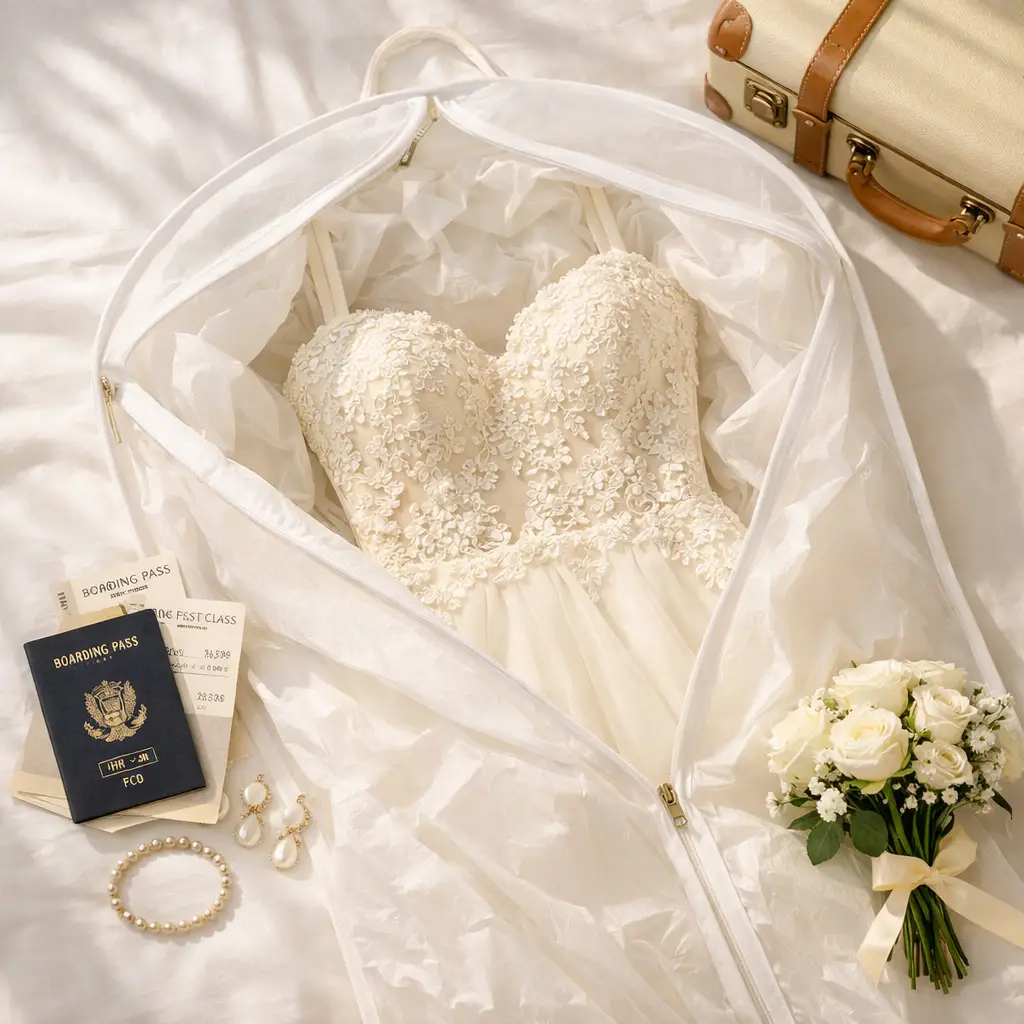
Destination weddings present unique logistical challenges that influence every aspect of planning, including dress selection. You’re coordinating celebrations in locations where you might not live, potentially traveling with your dress, navigating alterations in unfamiliar places, and ensuring everything comes together perfectly despite geographical distances. Understanding these challenges upfront helps you make informed decisions that prevent stress and ensure success.
Choosing a destination wedding dress starts with understanding your destination’s climate, venue type, and celebration formality. A beach destination wedding in Pawleys Island calls for different dress characteristics than a destination wedding in a mountain lodge or European castle. If you’re traveling to the Lowcountry for your wedding, lightweight fabrics, breathable construction, and styles appropriate for South Carolina’s humid climate become priorities. Conversely, if you’re a Lowcountry bride planning a destination wedding elsewhere, research your destination’s typical weather and venue characteristics.
Fabric selection for destination weddings should prioritize packability and wrinkle-resistance alongside beauty and comfort. Some fabrics travel better than others. Crepe holds up remarkably well to packing and releases wrinkles with steaming. Chiffon and organza are relatively lightweight and pack reasonably well. Tulle, while voluminous, is quite packable and bounces back after being compressed. Heavy satins with structured underlayers are more challenging to pack and more prone to obvious creasing. When you book your appointment at The Dressing Room for a destination wedding dress, discuss travel considerations with your consultant so we can show you dresses that will travel well.
Silhouette considerations for destination weddings often favor simpler, less structured options that pack more easily and work well in various settings. A-line dresses in flowing fabrics pack beautifully and work for most destination settings. Sheath and fit-and-flare styles pack compactly. Ballgowns with extensive structure and multiple petticoats are more challenging to pack and transport but certainly not impossible if that’s your vision. Consider how much you’re willing to manage in terms of dress volume and complexity when choosing your silhouette.
Embellishment and detail considerations matter for destination dresses because extensive beading or delicate appliqués require extra care during travel. Heavy beading adds weight and can create creasing issues. Very delicate lace appliqués might snag or damage during packing and transport. This doesn’t mean you can’t have beautiful details—it means choosing details that will survive travel. Well-attached lace, quality beading, and durable construction all travel well when packed properly.
According to Brides magazine’s destination wedding planning guide, dress transportation and care represent one of the top concerns for destination wedding brides, alongside venue coordination and guest logistics. Planning your dress strategy early prevents last-minute stress.
Packing your wedding dress for destination travel requires careful technique and appropriate supplies. Professional garment bags designed for wedding dresses are essential investments. These bags protect your dress during transport and often include padding and structure that helps maintain dress shape. Avoid cheap plastic garment bags that don’t provide adequate protection. Quality wedding dress garment bags cost $50-150 but provide peace of mind worth far more than the investment.
Carry-on versus checked luggage presents a critical decision for air travel with wedding dresses. Whenever possible, carry your wedding dress on the plane rather than checking it. Airlines often allow wedding dresses as additional carry-on items beyond standard allowances, though policies vary by carrier. Carrying on your dress ensures it arrives when you do, prevents potential loss or damage from checked luggage handling, and gives you complete control over your dress throughout travel.
If you must check your wedding dress, use a hard-sided luggage case in addition to your garment bag for maximum protection. Take photos of your dress before packing in case insurance claims become necessary. Purchase travel insurance that specifically covers wedding attire—standard homeowner’s or renter’s insurance might not adequately protect destination wedding expenses. Consider the replacement cost of your dress plus expedited ordering if needed when determining insurance coverage levels.
Folding techniques for packing wedding dresses minimize creasing while maximizing space efficiency. Never fold along structured bodice areas—these create permanent creases that are difficult to remove. Instead, layer tissue paper throughout the dress to cushion folds and prevent direct fabric-to-fabric contact that creates sharp creases. Fold skirts in large, gentle curves rather than sharp angles. Some brides roll softer dress fabrics like chiffon rather than folding to minimize creases.
Professional packing services exist specifically for wedding dresses and can be worth the investment for expensive gowns or complex destination travel. These services use specialized techniques and materials to ensure safe transport. If your dress costs several thousand dollars or involves international travel, professional packing might provide peace of mind worth the few hundred dollar cost.
Steaming and pressing upon arrival at your destination is almost always necessary regardless of how carefully you packed. Plan to have your dress steamed at least 24-48 hours before your wedding to allow time for any additional wrinkle release or touch-ups needed. Many hotels offer steaming services, though quality varies. High-end resorts and hotels experienced with destination weddings often provide excellent garment care. Bring a small handheld steamer as backup if space allows—these are invaluable for last-minute touch-ups.
Alterations coordination for destination weddings requires advance planning. Ideally, complete all alterations before traveling to your destination. Schedule your final fitting two to four weeks before your wedding, allowing time for any last-minute adjustments before packing for travel. However, bring basic sewing supplies for emergency repairs—needle, thread matching your dress, safety pins, fabric tape—just in case minor adjustments or repairs become necessary at your destination.
Some destination brides arrange alterations at their wedding location if their timeline doesn’t allow completing everything beforehand. If pursuing this option, research seamstresses at your destination well in advance. Ask your venue coordinator for recommendations, read reviews, and communicate clearly about your needs and timeline. Have a backup plan in case local alterations don’t work out as hoped.
Weather considerations specific to your destination inform dress choice and packing strategy. If traveling to Pawleys Island or other Lowcountry destinations, prepare for humidity that might affect how your dress hangs and moves. Beach destinations mean potential for sand, wind, and salt air that can damage delicate fabrics. Mountain destinations might mean unexpected rain or temperature fluctuations. Research typical weather for your wedding date at your specific destination and prepare accordingly.
The designers we carry at The Dressing Room create dresses with quality construction that travels reasonably well when packed properly. Maggie Sottero, Essense of Australia, and Stella York all use construction techniques and fabrics that withstand travel better than poorly made dresses. Quality matters significantly when your dress must travel.
Backup dress considerations provide peace of mind for destination weddings. Some brides purchase or bring a simple backup dress—perhaps a white cocktail dress or casual white gown—as insurance against catastrophic dress problems (loss, major damage, extreme fit issues). This backup might never be needed, but knowing you have options if disaster strikes provides significant stress relief. Backup dresses can often be found affordably at department stores or online.
Timeline planning for destination wedding dresses should account for shipping to your home, completing alterations, and potential complications. Order your dress with extra time cushion beyond standard timelines—perhaps 12-15 months before your destination wedding rather than the standard 9-12 months. This buffer accommodates potential delays and ensures adequate time for alterations before travel.
Budget considerations for destination wedding dresses include not just the dress cost but also:
- Quality garment bag: $50-150
- Professional packing services (optional): $150-300
- Travel insurance for dress: $100-300
- Destination steaming/pressing: $50-150
- Backup dress (optional): $100-500
- Emergency repair supplies: $20-50
Factor these additional costs into your dress budget planning to avoid surprises.
Local versus destination dress shopping presents an important decision. You can purchase your dress at home and travel with it to your destination, or shop for a dress at your destination if you’ll be visiting beforehand. Each approach has advantages. Shopping at home provides familiarity, easier alterations coordination, and ability to try dresses multiple times. Shopping at destination means easier final alterations and potentially no dress transport stress, but requires destination trips for dress shopping and fittings.
Guest considerations affect destination wedding dress choices. If significant numbers of guests are traveling to your destination celebration, you might choose a dress that photographs beautifully and feels special enough to honor their travel investment. Destination weddings often feel more formal or special than hometown celebrations precisely because everyone traveled to be there.
Venue logistics at destination wedding locations sometimes affect dress practicality. Beach venues mean walking on sand. Garden locations might have uneven ground. Historic venues could have stairs or challenging access. Understand your specific venue’s logistics and choose a dress that works practically—appropriate train length for your venue surface, manageable silhouette for navigating your ceremony and reception spaces.
Plus-size brides planning destination weddings should know that all travel and packing advice applies equally regardless of size. Dresses in sizes up to 28 travel the same as smaller sizes when packed properly. The main difference might be garment bag size—ensure you purchase a bag appropriately sized for your dress rather than assuming standard sizes will work.
Post-wedding dress care after destination weddings requires planning. You’ll need to transport your dress home after the celebration. Your dress will likely need professional cleaning after being worn at a destination wedding, particularly beach or outdoor celebrations. Research dress preservation services if you want your dress professionally cleaned and preserved as an heirloom.
Real Lowcountry destination wedding considerations include understanding that South Carolina’s coastal climate affects how dresses look and feel. Humidity can make dresses feel slightly different than in air-conditioned boutiques. Beach wind creates beautiful movement but can also be challenging to manage. Salt air near the ocean can affect certain fabrics. These aren’t reasons to avoid destination Lowcountry weddings—they’re simply realities to understand when planning.
Working with our team at The Dressing Room means discussing all aspects of your destination wedding—whether you’re traveling to the Lowcountry or from the Lowcountry elsewhere. We help you choose dresses that will travel well, provide packing guidance, connect you with alteration resources, and ensure you have all the information needed for successful destination wedding dress planning.
The right destination wedding dress balances beauty with practicality, romance with packability, and your vision with travel realities. When chosen thoughtfully and managed carefully, your dress can travel safely to create the exact wedding day look you’ve envisioned, whether you’re marrying on Pawleys Island beach, at a Charleston plantation, or anywhere else your destination wedding dreams take you.
FREQUENTLY ASKED QUESTIONS
Should I carry my wedding dress on the plane or check it?
Always carry your wedding dress on the plane if possible. Most airlines allow wedding dresses as additional carry-on items beyond standard allowances. Carrying on ensures your dress arrives when you do and prevents potential loss or damage from checked luggage. If you must check your dress, use a hard-sided suitcase with your garment bag inside and purchase travel insurance.
How do I pack a wedding dress for destination travel?
Use a professional wedding dress garment bag with padding. Layer acid-free tissue paper throughout the dress to cushion folds. Fold skirts in large, gentle curves rather than sharp angles, avoiding folds across structured areas. Consider professional packing services for expensive gowns or international travel. Never fold structured bodice areas—these create permanent creases.
What wedding dress fabrics travel best for destination weddings?
Crepe, chiffon, organza, and tulle travel relatively well and release wrinkles easily with steaming. These fabrics are resilient and packable. Heavy satins with extensive structure or delicate laces with complex appliqués require more careful handling. Discuss travel considerations with your consultant when selecting your dress.
Do I need travel insurance for my destination wedding dress?
Yes, purchase travel insurance that specifically covers wedding attire. Calculate coverage based on dress replacement cost plus expedited ordering if needed. Standard homeowner’s or renter’s insurance might not adequately protect destination wedding expenses. Travel insurance provides peace of mind worth far more than the modest premium cost.
Can I get alterations done at my destination wedding location?
You can arrange destination alterations, but ideally complete all alterations before traveling. If destination alterations are necessary, research seamstresses well in advance through venue coordinator recommendations and reviews. Communicate clearly about needs and timeline. Bring basic sewing supplies for emergency repairs regardless of alteration plans.
Should I bring a backup wedding dress to my destination wedding?
A simple backup dress (white cocktail dress or casual gown) provides insurance against catastrophic dress problems like loss or major damage. Many destination brides find the peace of mind worth the modest investment. Backup dresses can often be found affordably at department stores and might never be needed but eliminate one major stress.
How much extra should I budget for destination wedding dress costs?
Budget for quality garment bag ($50-150), potential professional packing ($150-300), travel insurance ($100-300), destination steaming ($50-150), backup dress if desired ($100-500), and emergency supplies ($20-50). These costs add $370-1,450+ to your dress budget depending on choices.
What if my wedding dress gets damaged during destination travel?
This is why travel insurance is critical. If damage occurs, document everything with photos and contact your insurance immediately. Bring emergency sewing supplies for minor repairs. Research backup dress options at your destination in case major damage makes repairs impossible. Having a backup plan reduces stress.
Should I shop for my dress at home or at my destination wedding location?
Shopping at home provides familiarity and easier alterations coordination. Shopping at destination means easier final alterations and no dress transport, but requires destination trips for shopping and fittings. Choose based on your timeline, destination visit frequency, and personal preferences. Both approaches can work successfully.
Can plus-size wedding dresses travel for destination weddings?
Yes, dresses in all sizes up to 28 travel the same when packed properly. The main difference might be garment bag size—ensure you purchase a bag appropriately sized for your dress. All travel advice applies equally regardless of size. Quality construction matters more than dress size for successful travel.