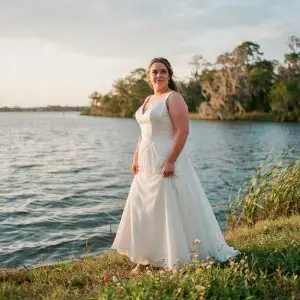
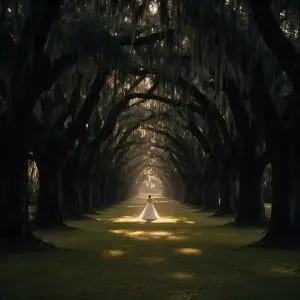
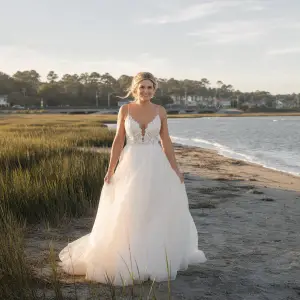
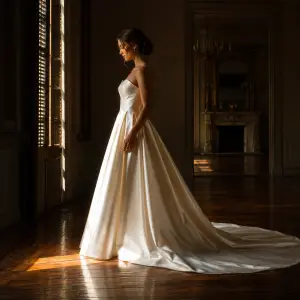
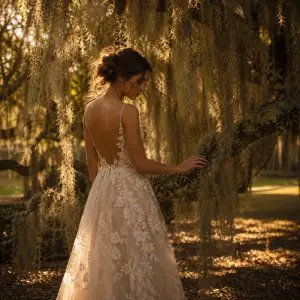
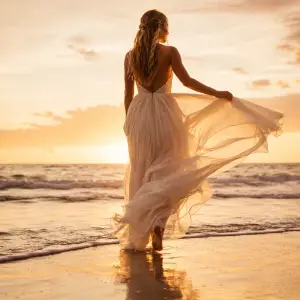
The Lowcountry is home to some of the most breathtaking wedding venues in America, from Charleston’s grand historic plantations draped in Spanish moss to intimate garden estates along the South Carolina coast. When you’re planning a wedding at Boone Hall Plantation, Magnolia Plantation, Brookgreen Gardens, or any of the stunning historic properties between Charleston and Myrtle Beach, your wedding dress needs to honor the setting’s Southern elegance while reflecting your personal style. At The Dressing Room on Ocean Highway in Pawleys Island, we help brides find gowns that capture the romance and sophistication of Lowcountry plantation and historic venue weddings.
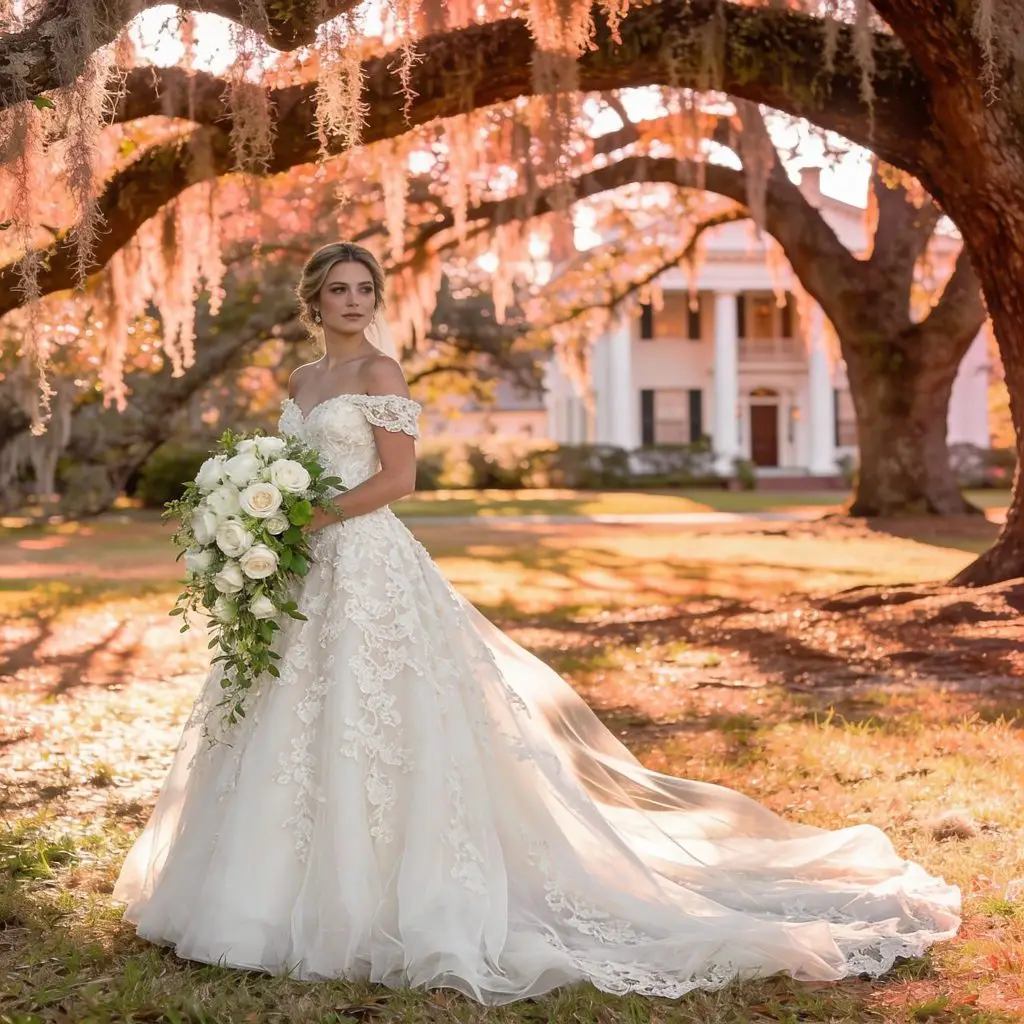
Plantation and historic venue weddings in the South Carolina Lowcountry carry a specific aesthetic that influences dress choices. These venues aren’t casual beach settings or modern hotel ballrooms—they’re steeped in history, architectural beauty, and Southern tradition. Your dress should complement rather than compete with the grandeur of centuries-old oak trees, historic architecture, and manicured gardens. This doesn’t mean you need to wear a costume or sacrifice modern style, but it does mean understanding which dress elements work harmoniously with these distinguished settings.
The formality level of plantation venues typically calls for elevated dress choices. A casual sundress or ultra-minimalist sheath might feel out of place against the backdrop of a grand Charleston plantation home, while a romantic ballgown or elegant A-line with beautiful details feels perfectly suited. The key is choosing a dress with enough presence and sophistication to match the venue’s gravitas while remaining authentically you rather than playing dress-up in someone else’s aesthetic.
Ballgowns represent the quintessential choice for plantation weddings, and for good reason. The full, romantic silhouette echoes the grandeur of plantation architecture and creates stunning photographs against Spanish moss and historic gardens. A ballgown with a fitted bodice and full skirt in luxurious fabrics like silk, organza, or tulle captures the essence of Southern elegance. These dresses photograph gorgeously during ceremony processionals down garden aisles, create beautiful movement in the coastal breeze, and feel appropriately formal for venues with this level of historic significance.
When you book your appointment at The Dressing Room in Pawleys Island, ballgowns from designers like Maggie Sottero and Essense of Australia are often perfect choices for brides planning plantation celebrations. These designers understand how to create structured elegance with romantic details—lace overlays, delicate beading, beautiful backs—that photograph spectacularly in Lowcountry settings. The construction quality ensures your dress maintains its shape and beauty through hours of celebrating in South Carolina’s humid climate.
Lace plays a significant role in plantation wedding aesthetics, and for good reason. Delicate lace evokes vintage Southern romance and photographs gorgeously against historic architecture and natural settings. Whether it’s a lace overlay on a ballgown, intricate lace sleeves, or a fully lace sheath, this fabric brings old-world elegance that complements plantation venues beautifully. Chantilly lace, in particular, offers delicate beauty without heaviness, working well in South Carolina’s warm climate while maintaining sophisticated elegance.
Long sleeves and three-quarter sleeves work particularly well for plantation weddings, especially during the pleasant fall and spring months when Lowcountry weather is most comfortable. Lace sleeves or illusion sleeves with lace appliqués create refined sophistication perfect for historic venues. These sleeves add coverage without feeling stuffy, photograph beautifully, and bring a level of polish that matches the formality of plantation settings. According to Southern Weddings magazine’s venue styling guide, sleeves have become increasingly popular for Southern historic venue weddings as brides seek elegant sophistication.
Off-the-shoulder necklines capture Southern belle romance while remaining modern and fresh. This neckline style has become incredibly popular for plantation weddings because it strikes the perfect balance—romantic and feminine without being overly traditional or costume-like. Off-the-shoulder necklines frame the shoulders and collarbone beautifully, create gorgeous lines in photographs, and work well with various silhouettes from ballgowns to A-lines to fit-and-flare styles.
A-line silhouettes offer versatility for plantation weddings, working beautifully for brides who want elegance without the full drama of a ballgown. An A-line in romantic fabrics with beautiful lace or beading details creates sophisticated beauty appropriate for historic venues while remaining comfortable and easy to move in during garden ceremonies or outdoor celebrations. A-line dresses work particularly well for spring and fall Lowcountry weddings when temperatures are pleasant and outdoor elements are likely.
Fit-and-flare and mermaid silhouettes can work for plantation weddings when executed with appropriate fabrics and details. A fit-and-flare in lace or with romantic details maintains sophistication while celebrating curves. However, very sleek, modern mermaid styles without romantic details might feel too contemporary for the historic setting. If you love fitted silhouettes, choose versions with lace, romantic trains, or delicate details that connect with the venue’s aesthetic.
Train length for plantation weddings deserves thoughtful consideration. Chapel-length trains (90 inches) create beautiful drama walking down garden aisles without becoming unmanageable. Cathedral trains (120+ inches) are stunning for very formal plantation celebrations and create breathtaking photographs, though they require assistance managing and can be impractical for walking on grass or garden paths. Sweep trains offer elegance without excessive length, working well for less formal plantation venues or when you’ll be walking significant distances across grounds.
Color considerations for plantation weddings often lean toward classic whites and ivories, though soft champagne and blush tones can be absolutely gorgeous against Lowcountry greenery and historic architecture. Pure white creates crisp contrast against Spanish moss and oak trees. Ivory offers timeless warmth. Champagne and blush bring soft romance that photographs beautifully in golden Lowcountry light. The choice depends on your personal preference and what feels most authentically you.
Fabric choices should balance beauty with practicality for South Carolina’s climate. Plantation weddings often involve outdoor elements—garden ceremonies, photographs around grounds, cocktail hours on terraces. Even if your reception is indoors, you’ll likely spend significant time outside. Choose fabrics that breathe reasonably well while maintaining the formality appropriate for the venue. Silk, organza, and tulle work beautifully. Heavy, non-breathable fabrics or excessive layers can be uncomfortable during outdoor portions of your celebration.
Details and embellishments for plantation wedding dresses should feel romantic and refined rather than overly trendy or modern. Delicate lace appliqués, subtle beading, pearl details, floral embroidery, and vintage-inspired elements all work beautifully. Heavy contemporary beading or very modern geometric details might feel incongruous with historic settings. The goal is creating a dress that could fit seamlessly into your venue’s aesthetic while remaining a modern, beautiful bridal gown rather than a period costume.
Vintage-inspired elements work particularly well for plantation venues because they echo the historic nature of the setting. Covered buttons down the back, lace cap sleeves, portrait necklines, or vintage lace details all create connections between your dress and the venue’s history while remaining elegant and sophisticated. These details photograph gorgeously and feel intentional rather than accidentally mismatched with your venue.
Garden ceremony considerations affect dress choices if your plantation wedding includes outdoor elements. Garden paths, grass, and uneven historic grounds mean your dress will encounter different surfaces than smooth ballroom floors. Consider train length and how easily you can move in your dress. Very long trains dragging through gardens can become heavy with dew or grass. Extremely fitted dresses might make walking on uneven ground challenging.
The built-in support in wedding dresses is particularly important for Lowcountry outdoor celebrations. You’ll be spending significant time in photographs around plantation grounds, and quality construction ensures you feel secure and comfortable. The designers we carry at The Dressing Room—including Stella York, Justin Alexander, and Eddy K—create gowns with excellent internal structure that provides support without requiring additional undergarments, keeping you comfortable during outdoor portions of your celebration.
Southern wedding traditions often include particular elements that might influence dress choices. Some families have strong preferences for traditional white dresses with veils for church ceremonies. Others embrace more relaxed interpretations. Understanding your family’s expectations and your own preferences helps navigate these conversations before shopping. At our Pawleys Island location, we help brides honor family traditions while staying true to their personal style.
Seasonal considerations for Lowcountry plantation weddings significantly impact dress comfort. Spring weddings (March through May) and fall weddings (October through November) offer the most pleasant weather for outdoor plantation celebrations. During these seasons, you have maximum flexibility with dress choices—ballgowns, sleeves, and romantic details are all comfortable. Summer plantation weddings require more careful fabric selection due to heat and humidity, though many brides successfully wear elegant dresses by choosing breathable fabrics and planning indoor air-conditioned reception spaces.
Photography opportunities at plantation venues are extraordinary, and your dress should photograph beautifully in these settings. Flowing fabrics create movement in photographs taken around gardens. Lace details show up gorgeously in natural light filtering through oak trees. Trains create drama in photos taken on grand staircases or sweeping lawns. When selecting your dress, visualize how it will photograph in your specific venue’s signature locations—under the Avenue of Oaks at Boone Hall, in the gardens at Magnolia Plantation, or against historic architecture at your chosen property.
Venue-specific considerations matter because each Lowcountry plantation and historic venue has unique characteristics. Charleston plantations tend toward very formal grandeur requiring more elevated dress choices. Smaller historic estates might allow slightly less formal options while still maintaining sophistication. Garden-focused venues like Brookgreen Gardens work beautifully with romantic, flowing dresses. Understanding your specific venue’s vibe helps calibrate appropriate formality levels.
Budget considerations for plantation wedding dresses align with overall Lowcountry wedding budgets. Plantation venue weddings often represent significant investments in creating memorable celebrations, and dress budgets typically reflect this. Beautiful dresses appropriate for plantation venues are available across price ranges from $1,500 to $5,000 and beyond at The Dressing Room. The formality level doesn’t necessarily correlate with price—you can find elegant, appropriate dresses at various price points when working with quality designers.
Plus-size brides planning plantation weddings should know that romantic ballgowns, elegant A-lines, and sophisticated silhouettes work beautifully on all body types up to size 28. The Southern belle aesthetic isn’t limited by size—it’s about finding the right construction and style for your body. Our designers create stunning gowns with proper support and beautiful design in extended sizes, ensuring you feel as elegant and romantic as the venue deserves.
Accessorizing plantation wedding dresses typically leans traditional and romantic. Cathedral or chapel-length veils create stunning photographs walking down garden aisles. Pearl jewelry connects with Southern tradition. Elegant updos showcase necklines and work well with humid Lowcountry weather. Fresh flowers in your hair or bouquet bring natural romance. The goal is creating a polished, cohesive look that honors the venue’s elegance.
Timeline considerations for plantation wedding dresses follow standard ordering schedules—nine to twelve months before your wedding. However, plantation venues often book far in advance, sometimes eighteen months to two years out for peak season dates. If you’ve secured your plantation venue well in advance, start dress shopping as soon as possible to ensure adequate time for ordering and alterations.
Working with our consultants at The Dressing Room means discussing your specific plantation venue and wedding vision so we can show you dresses that work beautifully with your setting. Whether you’re getting married at a grand Charleston plantation, an intimate historic estate in Georgetown, or a garden venue along the South Carolina coast, we’ll help you find a dress that honors the setting’s Southern elegance while making you feel absolutely beautiful.
The right plantation wedding dress captures the romance of the Lowcountry while reflecting your personal style. It should feel appropriate for the historic significance of your venue without becoming a costume. It should photograph gorgeously against Spanish moss and antebellum architecture while remaining comfortable enough to enjoy your celebration. When you find the dress that makes you feel like a Southern belle in the best, most authentic way possible, you’ll know you’ve found the one perfect for your Lowcountry plantation wedding.
FREQUENTLY ASKED QUESTIONS
What style wedding dress is appropriate for a Charleston plantation wedding?
Romantic ballgowns, elegant A-lines, and sophisticated fit-and-flare dresses work beautifully for Charleston plantation weddings. Choose dresses with romantic details like lace, delicate beading, or beautiful trains that complement the historic setting. The formality should match the grandeur of plantation venues—these aren’t casual settings, so your dress should reflect appropriate elegance.
Should I wear sleeves for a Lowcountry plantation wedding?
Sleeves work beautifully for plantation weddings, particularly during pleasant spring and fall months. Lace sleeves or illusion sleeves add refined sophistication perfect for historic venues. However, sleeves aren’t required—strapless or off-the-shoulder necklines also work well. Choose based on personal preference, season, and your venue’s formality level.
What fabrics work best for outdoor plantation ceremonies in South Carolina?
Choose fabrics that balance beauty with breathability for outdoor Lowcountry celebrations. Silk, organza, tulle, and lightweight lace all work well. Avoid very heavy satins or excessive layers that trap heat. Even formal ballgowns can be constructed in fabrics appropriate for South Carolina’s humid climate while maintaining elegance.
Can I wear a fitted wedding dress to a plantation venue?
Fit-and-flare and mermaid silhouettes can work for plantation weddings when they include romantic details like lace, elegant trains, or delicate embellishments. Very sleek, ultra-modern styles without romantic elements might feel too contemporary for historic settings. Choose fitted styles that connect with the venue’s aesthetic through fabric and detail choices.
What train length is practical for garden plantation ceremonies?
Chapel-length trains (90 inches) offer beautiful drama without becoming unmanageable on grass or garden paths. Cathedral trains (120+ inches) are stunning but require assistance and can be challenging on outdoor surfaces. Sweep trains provide elegance with maximum practicality for walking across plantation grounds and gardens.
Should my plantation wedding dress be white or can I choose other colors?
Traditional white and ivory work beautifully for plantation venues. Soft champagne and blush tones also photograph gorgeously against Lowcountry greenery and historic architecture. Choose colors that feel authentic to you while complementing your venue—pure white creates crisp contrast, while warmer tones bring soft romance.
How formal should my dress be for a Pawleys Island plantation wedding?
Match your dress formality to your venue’s grandeur. Large Charleston plantations typically require very formal, elegant gowns. Smaller historic estates allow slightly less formal sophistication while maintaining polish. Garden-focused venues work with romantic flowing styles. Your venue coordinator can provide guidance on appropriate formality levels.
What if I’m having a plantation wedding in summer heat?
Summer plantation weddings require careful fabric selection due to South Carolina heat and humidity. Choose lightweight, breathable fabrics like chiffon, organza, or silk. Plan for indoor air-conditioned reception space. Consider timing outdoor elements during cooler morning or evening hours. Beautiful formal dresses are possible in summer with thoughtful planning.
Do plus-size wedding dresses work for plantation venue aesthetics?
Absolutely! Romantic ballgowns, elegant A-lines, and sophisticated styles work beautifully on all body types up to size 28. The Southern belle plantation aesthetic isn’t limited by size. The Dressing Room carries designers who create stunning gowns with proper support and elegant design in extended sizes perfect for Lowcountry plantation celebrations.
Should I coordinate my dress style with plantation architecture?
Your dress should complement rather than literally match plantation architecture. Romantic details, elegant silhouettes, and sophisticated styling work harmoniously with historic settings. Focus on overall aesthetic cohesion—formal venues call for formal dresses, romantic gardens suit romantic gowns—rather than trying to mirror specific architectural elements.